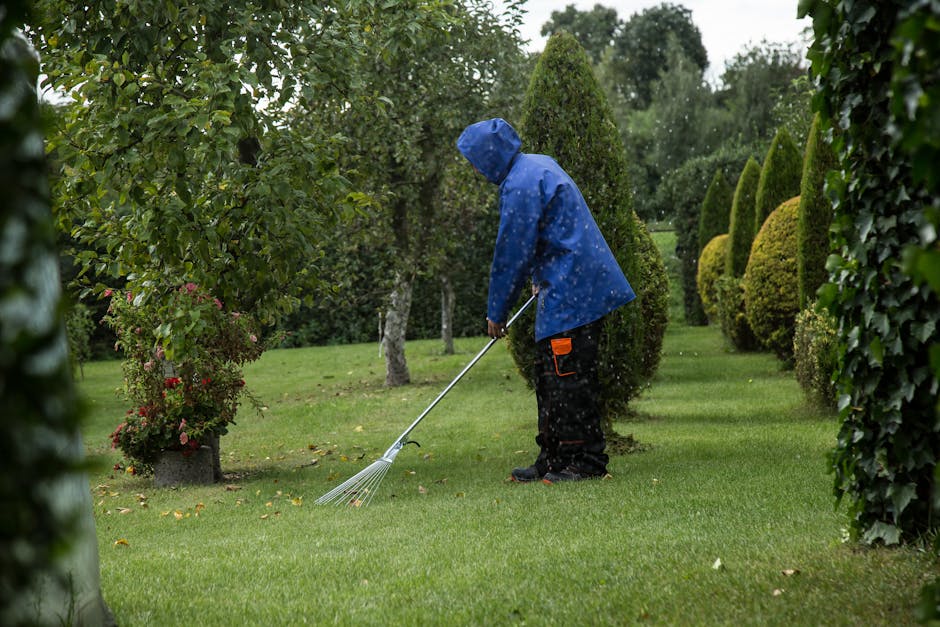
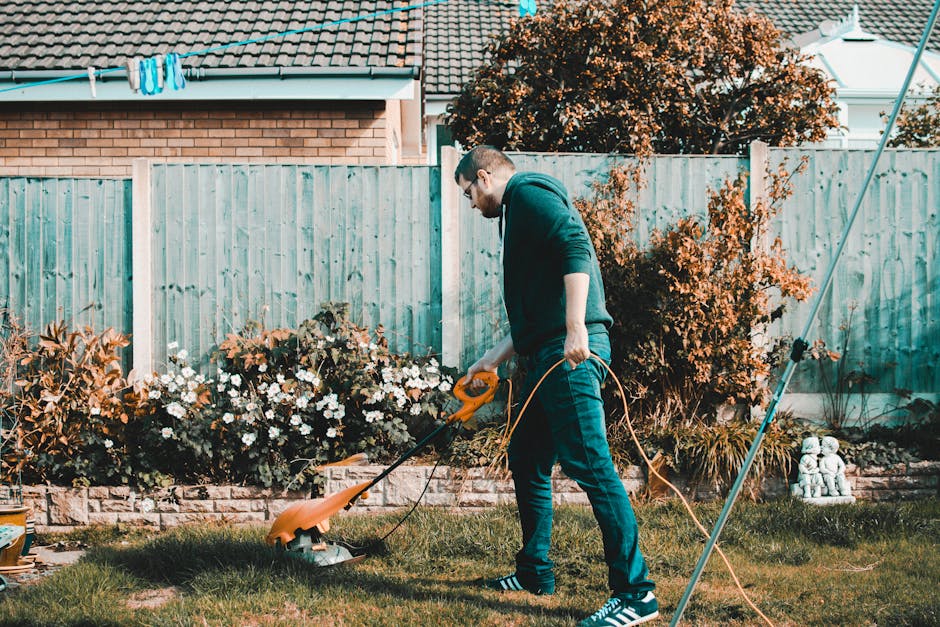
Leyton E10 Garden Maintenance Guide for Terraces
If you have a terrace in Leyton E10, you already know the rhythm of it: a narrow outdoor space, a bit of shade, a bit of wind, and just enough soil to make things interesting. A terrace can be a calm little escape, but it can also turn scruffy fast if it is left alone for a few weeks. That is where a practical Leyton E10 garden maintenance guide for terraces becomes genuinely useful. Not a glossy fantasy garden idea. Something realistic, local, and easy to keep going through wet weeks, dry spells, and those odd London days when the weather seems to change twice before lunch.
This guide explains how terrace garden maintenance works, what matters most in an E10 setting, and how to keep a small outdoor space looking tidy without making it feel like a second job. You will find step-by-step care advice, seasonal priorities, common mistakes, tools that are actually worth having, and a few local realities that matter in Leyton terraces. Truth be told, a well-kept terrace does not need to be complicated. It needs the right habits, done often enough.
For readers who want broader support across the year, it can also help to explore general garden maintenance services alongside terrace-specific care, especially if your outdoor space includes beds, paving, planters, or shared access points. And if your property needs regular upkeep rather than occasional tidy-ups, the right Leyton E10 garden maintenance plan can make life a lot easier.
Table of Contents
- Why Terrace Garden Maintenance Matters in Leyton E10
- How Terrace Garden Maintenance Works
- Key Benefits and Practical Advantages
- Who This Is For and When It Makes Sense
- Step-by-Step Guidance
- Expert Tips for Better Results
- Common Mistakes to Avoid
- Tools, Resources and Recommendations
- Law, Compliance, Standards, or Best Practice
- Options, Methods, or Comparison Table
- Case Study or Real-World Example
- Practical Checklist
- Conclusion
- Frequently Asked Questions
Why Leyton E10 garden maintenance guide for terraces Matters
Terraces in Leyton E10 tend to work hard. They are often compact, overlooked from the house, and exposed to the small but persistent stresses that come with London living: pollution, leaf fall, wind-blown debris, algae on paving, dry planters in summer, and drainage that can become a nuisance if nobody keeps an eye on it. A terrace that looks fine from the kitchen door can still hide issues under pots, around joints, or at the back edge where rainwater collects.
That is why maintenance matters more on terrace gardens than many people expect. A little regular attention stops minor jobs from becoming expensive ones. A patch of moss on a path is not just untidy; it can get slippery. A planter full of compacted soil can leave plants looking tired and starved. A forgotten corner can become a home for pests or unwanted weeds. Not dramatic, just annoying. And if you live in a busy street, there is also the practical side: a tidy terrace tends to feel more private, more usable, and more welcoming.
There is also a value point. A well-maintained terrace usually feels like part of the living space, not an afterthought. That matters if you entertain outside, grow herbs, or simply want a place to sit with a tea on a bright morning. Small space, big difference. You notice it most when it is neglected, oddly enough.
For some homes, the terrace is part of a broader outdoor maintenance picture. If you also manage front planting, side access, or shared boundary areas, it may be worth reading about residential garden care and how it differs from one-off tidy work. The needs are not identical, and that distinction helps you avoid overpaying for the wrong service.
How Leyton E10 garden maintenance guide for terraces Works
Terrace maintenance works best as a cycle, not a rescue mission. The basic idea is simple: inspect, clean, prune, water, feed, and reset. In practice, that means looking at the space from the same angles every week or two and making small corrections before things drift out of hand.
On a terrace, maintenance usually focuses on five areas:
- Surface care: sweeping leaves, grit, and debris from paving, decking, and steps.
- Plant care: pruning, deadheading, watering, feeding, and replacing tired plants.
- Container care: checking pots, drainage holes, compost condition, and root crowding.
- Weed and moss control: keeping joints, edges, and hidden corners clear.
- Safety and usability: making sure paths are clear, drainage is moving, and furniture does not trap damp.
Because terraces are small, they often respond quickly to neglect and quickly to good care too. That is the lovely part. One tidy-up session can change the whole feel of the area. The catch is that the same space can look messy again within days if maintenance is inconsistent. A terrace is not the place for "I'll get to it next month." Not if you want it to feel good.
In our experience, many Leyton terrace owners do best with a simple seasonal routine rather than a big annual overhaul. If you want more structure, a service approach like lawn and garden care support can be adapted to terraces as well, especially if the space includes a strip of grass, edging, or mixed planting that needs regular attention.
Key Benefits and Practical Advantages
The value of terrace maintenance is not just about appearances, though let's face it, a neat terrace is far more pleasant to use. There are practical gains too, and they are often the reasons people stick with the habit once they start.
A better-looking space without a major redesign
You do not need to rebuild anything to make a terrace feel better. Cutting back overgrown foliage, refreshing compost, and removing algae can create a surprisingly big visual improvement. The space looks cared for, not crowded.
Safer underfoot
Regular cleaning reduces the build-up of moss, mud, and wet leaf matter on hard surfaces. That matters in winter and after rainy spells when terrace paving can become slick without much warning.
Healthier plants
Containers dry out faster than ground borders, especially on exposed terraces. They also lose nutrients more quickly. Good maintenance keeps plants alive for longer and helps them look less stressed when the weather turns.
More usable outdoor time
If the space is easy to walk through, sit in, and look after, you are much more likely to use it. A terrace should feel like a place, not a chore waiting to happen.
Lower long-term repair headaches
Regular checks can catch broken pots, blocked drainage, damaged grouting, or wood beginning to rot before the fix becomes more serious. Small issue, small fix. That is the dream, honestly.
| Maintenance approach | Typical result | Best for |
|---|---|---|
| Reactive tidy-up only | Looks good briefly, then slips again | Very occasional use or short-term preparation |
| Seasonal maintenance | Consistent appearance and healthier plants | Most terrace gardens in Leyton E10 |
| Regular scheduled care | Best long-term condition and fewer surprises | Busy households, rental properties, shared spaces |
If your terrace is part of a larger outdoor layout, it may also help to look at hedge cutting and boundary trimming where privacy screens or climbers need shaping. Sometimes the terrace itself is fine; it is the overgrown edge that makes everything feel off.
Who This Is For and When It Makes Sense
This guide is for anyone in Leyton E10 who wants a terrace that is tidy, healthy, and easy to live with. That includes homeowners, landlords, tenants with outside space, and people who use their terrace as a small social area rather than a decorative feature.
It makes particular sense if you:
- have limited time and need a practical routine
- struggle with fast-growing plants in containers
- want your outdoor area to feel cleaner and more welcoming
- have had issues with moss, weeds, or poor drainage
- need help keeping a rental terrace presentable
- share a boundary or access area and want the space kept in order
It also suits people who are happy to do some maintenance themselves but want help with the heavier or more technical jobs. A terrace can be manageable solo, yes, but not everything is worth doing by hand on a Saturday afternoon if you have other commitments. Sometimes hiring support for the awkward jobs is simply the sensible thing.
If you are weighing up one-off help versus ongoing support, the decision often comes down to consistency. A one-off tidy is fine before an event or after a long neglect period. Scheduled care suits anyone who wants the terrace to stay in shape rather than swing between good and bad. For broader upkeep beyond terraces, the commercial garden maintenance approach can also be useful where a property needs reliable, repeatable standards.
Step-by-Step Guidance
The most useful terrace maintenance routine is usually simple enough to repeat. No fancy system required. Here is a sensible approach that works well for many E10 terraces.
1. Start with a full visual scan
Walk the terrace slowly and look for the obvious and the annoying: dead leaves, weeds in joints, broken stems, unstable pots, blocked drains, discoloured paving, and any areas where water seems to linger. Check under benches too. That is where problems like to hide, which is rude of them but there we are.
2. Clear the surface
Sweep up leaves, grit, and other debris from paving, decking, steps, and around planters. If you have a narrow terrace, work from the furthest corner back toward the exit so you do not keep walking over the same area. If surfaces are slimy or stained, use appropriate cleaning methods for the material rather than blasting everything with high pressure. Not all surfaces enjoy the same treatment.
3. Deal with weeds and moss
Remove weeds from cracks and edges before they set seed. Light moss can often be controlled by improving light, airflow, and cleaning frequency. On terraces, prevention matters more than heroic intervention because the space is small and repeat growth is common.
4. Prune and deadhead
Cut back dead, damaged, or overcrowded growth. Remove spent flowers so plants keep directing energy into healthy growth rather than seed production. For climbers, keep an eye on ties and support points. A quick snip in the right place can make a plant look ten times happier.
5. Check containers and compost
Terrace gardens rely heavily on pots, troughs, and raised planters. Make sure they have drainage holes, that water can escape freely, and that the compost has not become tired or compacted. If a plant looks weak despite watering, root crowding or nutrient loss may be the issue.
6. Water with purpose
Water early in the day where possible, especially during warmer months. Deep watering is often better than frequent shallow watering because it encourages roots to grow more effectively. In windy or exposed spots, pots may need more attention than you expect. If the top inch of compost is dry, that does not always tell the full story.
7. Feed and refresh
Use suitable feed for the type of plants you have, and refresh the compost or mulch layer when needed. On small terraces, the same soil can become depleted quickly. A little feeding at the right time is often more effective than overdoing it later.
8. Reset the space
Put furniture back neatly, straighten pots, and make sure the terrace still feels easy to use. This final step sounds small, but it is the difference between "maintained" and "finished." One is work. The other feels good.
Practical takeaway: on a terrace, the fastest route to a better-looking garden is usually not a major makeover. It is consistent clearing, sharp pruning, and sensible watering. Keep the rhythm steady and the space tends to look after itself far better than people expect.
Expert Tips for Better Results
The best terrace results usually come from noticing what the space is telling you. A terrace in Leyton E10 is rarely a perfect blank canvas; it has light patterns, wind patterns, and little microclimates of its own. A sunny corner near a wall may dry out much faster than the planter three metres away in the shade. Same terrace, different world.
Match plants to the conditions you actually have
That sounds obvious, but it is the single biggest quality-of-life improvement. If your terrace is windy and partial shade, choose plants that can cope. Do not keep fighting the space. It gets old fast. You are not failing the garden; the garden is giving you clues.
Use lightweight containers where movement matters
Heavy pots look lovely, but they are a pain to shift when you need to clean, repaint, or check drainage. A mix of stable and moveable containers often works best for terraces, especially where access is tight.
Prioritise drainage
Many terrace problems start with water sitting where it should not. Make drainage part of the routine. Lift pots occasionally, check for blocked holes, and keep an eye on pooling after rain. If water lingers on paving, it can cause staining and slipperiness.
Keep the design simple
On small outdoor spaces, too many species can create visual clutter. A limited palette of plants, repeated in different containers, usually looks calmer and is easier to maintain. Simple does not mean boring. It means easier to live with.
Schedule jobs by season
Spring is for cleaning, cutting back, and replanting. Summer is for watering, feeding, and deadheading. Autumn is for leaf clearance and preparing for wetter conditions. Winter is for protection, checking storm damage, and avoiding unnecessary disturbance. That seasonal rhythm is especially useful in London, where weather changes can be a bit dramatic.
Do the small job now
If you see a weed, pull it. If a pot has tipped, reset it. If compost is crusted over, refresh it. Small jobs have a funny habit of becoming a larger mood if ignored. Better to deal with them while they are still small and slightly boring.
Common Mistakes to Avoid
Terrace maintenance usually goes wrong in predictable ways. Nothing exotic. Just the same few habits repeating until the space looks tired.
- Overwatering containers: this is a classic. If pots sit in water, roots suffer. Always check drainage.
- Using the wrong cleaner on paving: aggressive cleaning can damage surfaces or joints.
- Letting climbers dominate: beautiful in theory, chaotic in reality if not pruned.
- Ignoring hidden corners: these are where debris, pests, and algae like to settle.
- Too many plants in too little space: crowded terraces look busy very quickly.
- Forgetting the maintenance cycle: one tidy-up is not a system.
There is also a quieter mistake: expecting a terrace to maintain itself because it is small. In some ways small gardens are easier, yes. In other ways they show every lapse more clearly. A neglected planter on a compact terrace stands out far more than a patch in a larger garden. The good news is that the fix is usually straightforward.
If you are unsure whether to tackle it yourself or bring in help, think about time, access, and how much heavy lifting is involved. For more involved seasonal work, a spring garden clearance service can be a smart reset, especially after winter clutter has built up around pots, corners, and paved areas.
Tools, Resources and Recommendations
You do not need a van full of gear to keep a terrace in good shape. A compact, sensible toolkit is usually enough.
Useful tools
- a sturdy hand fork and trowel
- secateurs for pruning and deadheading
- a soft broom or outdoor brush
- watering can or hose with a gentle attachment
- gloves that actually fit properly
- a narrow weeding tool for paving joints
- bags or buckets for debris collection
Helpful materials
- fresh compost suitable for containers
- mulch for moisture retention
- plant ties for climbers and taller stems
- replacement pots or liners
- general-purpose plant feed, selected appropriately for your plants
Where professional support helps most
Some jobs are simply easier with help. Pressure washing, large planter moves, full terrace clearances, and repeated seasonal visits can all benefit from professional handling. If your terrace is part of a wider exterior that also includes hedging, fencing lines, or boundary planting, a coordinated approach with garden clearance services may save time and avoid duplicated effort.
Resource-wise, the best advice is often practical rather than fancy: keep a small maintenance calendar, note where the terrace dries fastest, and make a record of which plants struggle each season. A couple of simple notes on your phone can prevent repeating the same mistakes next year. Not glamorous. Very effective.
Law, Compliance, Standards, or Best Practice
For most terrace maintenance work, the key concern is not a complex legal process but common-sense best practice. Still, there are a few points worth keeping in mind, especially in London settings where homes may be attached, close together, or part of a managed property.
Property boundaries and access: if a terrace is shared, overlooks a neighbour's space, or sits close to a boundary, it is sensible to avoid work that creates unnecessary disturbance. Keep cuttings contained, do not block shared access, and be careful where debris lands.
Water management: avoid letting runoff or cleaning water flow where it could create a nuisance or damp problem for adjacent areas. On paved terraces, use cleaning methods that respect drainage and the surface material.
Safe use of tools and products: follow manufacturer guidance for any cleaning product, feed, or treatment. If you use a pressure washer, start gently. More force is not automatically better, and sometimes it is worse. Much worse.
Waste disposal: garden waste should be collected and disposed of responsibly. If you have a large clearance, check local collection arrangements or use an appropriate green waste solution rather than leaving bags out too long.
Best practice for landlords and managed homes: keep terrace spaces presentable, safe, and free from obvious hazards. If tenants are responsible for day-to-day care, clear expectations help avoid confusion. Simple written guidance usually works better than assuming everyone knows what "maintain the terrace" means.
For more structured upkeep across multiple areas or tenancies, it can help to view maintenance as part of wider property care rather than a one-off garden task. That mindset keeps standards steady without turning it into a paperwork headache.
Options, Methods, or Comparison Table
There is no single correct way to maintain a terrace. The right method depends on how you use the space, how much time you have, and whether the terrace is mainly decorative, functional, or both.
| Method | What it includes | Strengths | Limitations |
|---|---|---|---|
| DIY routine | Sweeping, watering, pruning, light weeding | Low cost, flexible, hands-on | Easy to fall behind without discipline |
| Occasional tidy-up service | Seasonal clearing, cut-backs, refresh work | Good for resets and busy households | Needs follow-up to stay neat |
| Regular maintenance plan | Scheduled visits, repeated checks, ongoing plant care | Best consistency, less stress, better presentation | Higher commitment than one-off help |
For many Leyton terraces, a mixed approach is the sweet spot: you handle the simple weekly tasks, and a professional steps in for the heavier seasonal jobs. That way you are not paying for things you could easily do yourself, but you are also not letting the terrace drift into a long, annoying catch-up job. Sensible, really.
Case Study or Real-World Example
Picture a small first-floor terrace in Leyton E10. It has paving, three medium planters, a bench, and a narrow line of climbers against the wall. Nice space, but over the course of a damp autumn it has collected leaf litter, one planter has compacted soil, and the paving has developed a patch of green slickness by the back corner. Nothing dramatic. Just enough to make the terrace less inviting.
The maintenance reset begins with a full sweep and the removal of dead plant material. The climbers are lightly pruned so they do not sprawl into the sitting area. The planters are checked, one is refreshed with new compost, and the watering routine is adjusted because the corner nearest the wall dries out more slowly than the rest. The paving is cleaned carefully, and drainage around the edge is checked so rainwater does not sit there after a shower.
Within a couple of visits, the space feels different. The bench is easier to use, the plants look less tired, and the terrace is visually calmer. Not because anything dramatic was installed. Just because the space was brought back under control. That is often the reality with terrace maintenance: the biggest improvement comes from a series of ordinary, well-timed actions.
And if that sounds simple, it is. But simple done consistently is where the real result lives.
Practical Checklist
Use this checklist to keep your terrace garden on track through the year. It works best when repeated regularly rather than saved for a once-a-season panic.
- Check the terrace for standing water after rain
- Sweep leaves, grit, and loose debris
- Remove weeds from paving joints and edges
- Inspect pots, planters, and drainage holes
- Water container plants based on actual dryness, not just the weather forecast
- Deadhead flowers and prune dead or weak growth
- Refresh compost or mulch where needed
- Check supports, ties, and trellis points on climbers
- Look for algae, moss, or slippery patches on hard surfaces
- Clear hidden corners under furniture and behind large pots
- Set out bins, tools, and storage neatly
- Schedule the next maintenance visit or personal tidy-up before things slip
Quick reminder: if you can complete most of the list in under an hour, you are probably maintaining the terrace well enough to keep it pleasant. If it keeps taking half a day, the space may need a better routine or a reset.
Conclusion
A good terrace in Leyton E10 is not about having the fanciest planting scheme or the most expensive containers. It is about keeping a compact outdoor space clean, healthy, and easy to enjoy. The best Leyton E10 garden maintenance guide for terraces is the one you can actually use: sweep regularly, watch drainage, keep plants matched to the conditions, and avoid letting small tasks stack up until they become a chore.
Whether you maintain the terrace yourself or bring in help for the more awkward work, consistency makes all the difference. A little attention, repeated often, really does go a long way. And on a cool evening when the paving is clean, the plants are tidy, and the space just feels calm, you will notice it straight away. That quiet satisfaction is the point.
If your terrace is overdue for a proper reset, or you want a dependable maintenance plan that keeps things looking sharp without taking over your week, now is a very good time to take the next step.
Get a free quote today and see how much you can save.
Frequently Asked Questions
How often should a terrace garden be maintained in Leyton E10?
Most terrace gardens do well with light weekly attention and a more thorough check every two to four weeks. In wetter seasons, or if you have lots of containers, it may need a bit more. Small spaces show neglect quickly, so a steady routine helps more than occasional big efforts.
What is the main difference between terrace maintenance and normal garden maintenance?
Terrace maintenance usually focuses more on containers, hard surfaces, drainage, and compact planting schemes. There is often less lawn and more paving or decking. That changes the balance of work quite a lot.
Can I maintain a terrace myself without professional help?
Yes, many people can handle the basics themselves. Sweeping, watering, light pruning, and deadheading are manageable for most households. Professional help becomes more useful when the terrace needs cleaning, clearing, heavy lifting, or a seasonal reset.
Why do terrace plants dry out so quickly?
Containers heat up and lose moisture faster than ground soil, especially on windy or sunny terraces. Pots against walls or in exposed spots can dry unevenly too. Checking the compost rather than guessing is the best habit.
What are the most common terrace maintenance problems?
The biggest problems are usually weeds in paving joints, moss on hard surfaces, compacted compost, poor drainage, and overgrown climbers. None of these are dramatic at first, but they can build up faster than people expect.
Is pressure washing safe for terrace paving?
Sometimes, yes, but it depends on the material and the condition of the joints. Too much pressure can damage surfaces or loosen pointing. A gentler clean is often better, especially on older paving or decorative finishes.
What plants work best on a Leyton terrace?
That depends on the light and wind exposure, but terraces often suit container-friendly plants that cope well with London conditions. Hardy herbs, compact shrubs, grasses, and some climbers can work well if they match the space. The key is choosing for conditions, not just looks.
How do I stop moss coming back on a terrace?
Improve drainage, reduce shade where possible, keep the surface clean, and avoid letting leaves sit wet for long periods. Moss thrives where moisture and shade linger, so prevention is mainly about keeping conditions less friendly to it.
Is terrace maintenance worth paying for?
If you want the space to stay usable without becoming another weekend job, yes. Many people find scheduled support worthwhile, especially where the terrace has multiple planters, awkward access, or regular seasonal build-up.
What should I do before winter on a terrace garden?
Clear debris, check drainage, protect sensitive plants, raise pots if needed, and secure anything that could move in strong wind. It is also a good time to remove weak growth and give the space a proper clean before the colder months settle in.
Can terrace maintenance help with rental properties?
Absolutely. A tidy terrace improves presentation, reduces complaints about mess or safety issues, and helps keep outdoor areas usable. For landlords and managing agents, regular upkeep also prevents avoidable deterioration.
What if my terrace only needs a one-off tidy-up?
That is common. A one-off visit can be useful after winter, before a viewing, or ahead of an event. The main thing is not to let the terrace drift back into neglect afterwards. A simple follow-up plan usually saves time later.
How do I know whether my terrace needs a full clearance?
If you cannot easily sweep the surface, see the edges clearly, or move around without working around clutter, a full clearance may be the right first step. Once the space is reset, maintenance becomes much more straightforward.
What is the best next step if I want help?
Start with a clear list of what the terrace needs: cleaning, pruning, planting, clearance, or ongoing care. Then compare that with the level of support you actually want. A bit of clarity up front makes the whole process easier, and usually cheaper too.