Hedge Trimming in Leyton
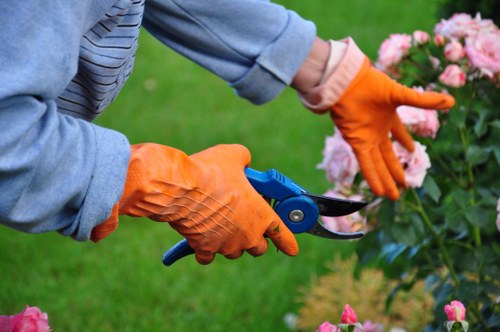
Hedge Trimming Leyton provides a focused service for shaping, reducing and maintaining hedges in the Leyton area. The work can be as straightforward as a seasonal tidy-up or as detailed as a careful re-forming of a hedge that has become uneven, overextended or difficult to manage. We concentrate on clean lines, controlled growth and a finish that suits the planting, the property and the intended level of privacy.
Well-cut hedges do more than look neat. Regular trimming helps keep growth dense where it is wanted, prevents branches from spreading into paths or drives, and makes it easier to keep a garden visually ordered through the year. Our approach is practical and measured, with attention given to the shape of the hedge, the species involved and the best time to reduce it without taking away too much at once.
For a clearer idea of the work involved, you can look through our services overview or go straight to make an enquiry if you would like to request a quotation. Those pages are useful whether you are comparing a one-off trim with a regular maintenance visit or simply want to understand the scope of the service before you decide what to do next.
Shaping and size control
Most hedge work begins with deciding whether the plant needs a light cosmetic trim, a reduction in height, a reduction in width, or a more complete re-establishment of shape. Each of those tasks has a different effect on the hedge, and the method should match the species and the current condition. A hedge that has been lightly maintained can usually be refined with precise cutting, while a neglected hedge often needs a more patient approach that avoids exposing bare patches.
In practice, good trimming is about balance. The finished line should feel deliberate rather than clipped flat, and the top should usually be considered alongside the sides so the hedge does not become top-heavy. Where appropriate, we can also discuss whether the hedge would benefit from a slightly tapered profile, which can help lower sections receive more light and support fuller growth near the base. If you are not sure what level of trim is suitable, a careful assessment of the plant’s current form is usually the best starting point.
Read more about hedge trimming if you want to review the core service in more detail. For some gardens, this is enough; for others, hedge work is best planned alongside wider garden care, and a broader maintenance schedule can keep the boundaries of the garden easier to manage through the season.
Regular hedge maintenance

Regular hedge maintenance is often the simplest way to keep growth manageable. Rather than waiting until branches have extended too far, periodic trimming helps preserve a set outline and reduces the need for more drastic cutting later on. It can also make the work neater overall, because there is less stress on the plant and less chance of one large session leaving the hedge uneven or sparse.
This kind of ongoing care is especially useful where a hedge forms part of a front boundary, borders a path, or frames a small garden that is visible from the street. The aim is not only neatness but consistency: a hedge that is trimmed at sensible intervals tends to stay easier to control, and the shape is usually less demanding to restore. If the hedge has mixed growth or a few sections that always race ahead, we can trim with that pattern in mind rather than cutting everything in exactly the same way.
You may also find it helpful to review garden maintenance if your hedge work sits alongside other routine outdoor tasks. See pricing and quotes information for a clearer picture of how enquiries are typically approached, then request a quotation when you are ready. A brief description of the hedge type and approximate size is usually a sensible place to begin.
Boundary hedges and privacy
Front and side boundaries
Boundary hedges often need a slightly different approach from ornamental hedges inside the garden. They may be taller, wider and more visible from multiple angles, which means the cut has to respect both the line of the property and the practical need to keep access clear. In these situations, the most important decisions are usually height, width and how much of the hedge should be thinned or reduced at one time.
Where a hedge runs beside a footpath, driveway or shared access point, trimming can help restore safe clearance and reduce the sense of overcrowding. The key is to keep the work proportionate. A hedge that is reduced too heavily in one visit may struggle to look full again quickly, while a hedge trimmed too lightly may continue to encroach. Measured cutting gives the best chance of preserving structure while improving the day-to-day use of the space around it.
Explore landscaping services if you want hedge work considered as part of a wider garden layout. When the hedge is a key feature of the boundary, it is worth thinking about how the shape sits beside fences, walls and planting beds so the result feels intentional rather than isolated from the rest of the garden.
Hedge work alongside wider garden care
Hedge trimming often sits naturally alongside other garden tasks, especially where the space needs an orderly overall finish. If there are overgrown edges, uneven borders or broader planting that is also getting away from you, it can be efficient to think about the whole garden at once. That said, hedge work remains a distinct task with its own timing, cutting method and finish, so it should still be planned around the plant itself rather than treated as a generic tidy-up.
For some customers, the right approach is a hedge trim only. For others, combining hedge care with mowing or light clearance creates a more balanced result across the garden. The main thing is to avoid crowding every task into one session without considering sequence. If the hedge is being shaped more formally, for example, it may be better to complete the cutting before other work so the lines are clear and the finish is easier to judge. That kind of ordering can make the whole job feel more controlled.
If you are comparing related options, look at lawn mowing and read about garden clearance. Those pages may help you decide whether hedge trimming on its own is enough or whether your garden would benefit from a wider set of tasks being handled together.
Species, timing and cutting method

Different hedge plants respond differently to trimming, so the way the work is carried out matters. Some hedges can be clipped into a crisp formal line and kept that way with regular attention, while others do better with lighter, less frequent shaping. The aim is always to preserve health while achieving the desired appearance. Cutting too aggressively can leave a hedge looking thin, while cutting too lightly may not correct the problem.
Timing is also part of sensible hedge care. Growth rates change through the year, and the right moment for trimming depends on how fast the hedge is currently moving, whether it flowers, and whether it is being maintained for a neat outline or a softer boundary. A hedge that is meant to stay crisp may need more regular attention than one that is intended to look more natural. Good trimming respects those differences rather than forcing every hedge into the same style.
For customers who want to understand how hedge work fits with other outdoor jobs, see landscape gardening. If you would like to move towards a specific quotation, the simplest next step is to request one with a short description of the hedge, its approximate length and the finish you would like. That makes it easier to match the work to the right level of attention.
Keeping the garden tidy between trims
Even when a hedge is not due for a full cut, small amounts of management can keep the garden looking cared for. Fallen clippings should be removed so they do not sit in the border or settle into the lawn, and the hedge line should be checked periodically for stray shoots that disturb the overall shape. This kind of simple upkeep helps preserve the result of the main trim for longer and reduces the sense that the hedge is slipping back out of order.
It can also be useful to look at the hedge in relation to nearby planting. If shrubs, borders or climbing plants are competing for space, the hedge may appear more unruly than it really is. In those cases, trimming is often as much about restoring visual separation as it is about shortening growth. The finished job should leave the hedge reading as a boundary or feature in its own right, not as a mass of tangled foliage merging into everything around it.
See decking services if you are planning a broader outdoor refresh and want to consider how hard landscaping sits alongside hedge lines. The more clearly each element is defined, the more comfortable the whole space can feel.
What to include when asking for a quotation
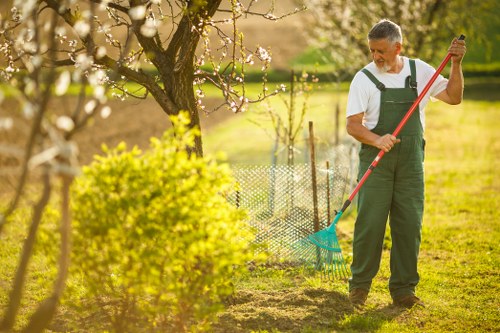
A useful quotation request is usually straightforward. It helps to mention the hedge type if you know it, whether the work is for one hedge or several, and whether you want a light trim, a reduction or a more careful reshape. A few details about access, such as whether the hedge is reached from the front garden, rear garden or a side passage, can also help the work be assessed correctly. If the hedge is especially tall or wide, noting that up front is helpful too.
Photographs can be useful where they show the full hedge and the surrounding space, but they are not the only factor. The main point is to give enough information to describe the scope clearly. If there are sections with awkward growth, close boundaries or delicate planting nearby, include that in your message. Then request a quotation and keep the details concise but complete. A clear enquiry makes it easier to match the right level of work to your garden.
Planning the work around access and surroundings
Hedge trimming is often simpler when access around the plant is clear, but that does not mean every garden has to be perfectly open. What matters is understanding where the main working points are and whether the hedge can be reached safely without damaging nearby planting or features. If a hedge sits close to paving, walls, fences or garden furniture, the cut may need to be done with extra care so the finished shape remains tidy and the surroundings stay protected.
Where a hedge creates a strong edge to the garden, the surrounding setting can influence how the trim is approached. A tall hedge beside a narrow path, for instance, may need more attention to width than height, while a front hedge visible from the street may call for greater attention to symmetry. A well-planned trim is not just about shortening growth; it is about leaving the boundary working properly with the space it frames. If the hedge is part of a more complex layout, that relationship matters.
For related work that sometimes supports the same kind of tidy finish, you can read about tree lopping and removal or visit about us to learn more about the wider business context. Those pages may be useful if the hedge sits near trees or if you are considering whether other growth also needs attention.
About Leyton
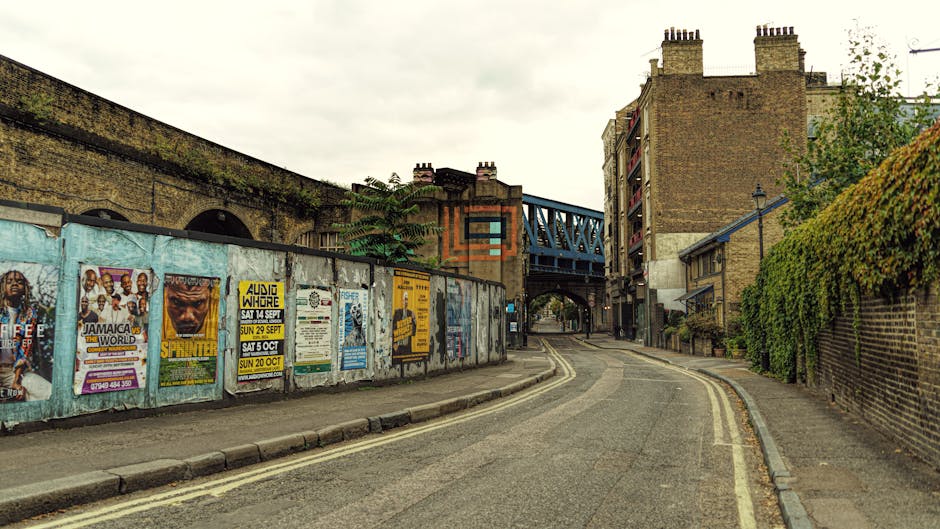
Leyton is a district in the London Borough of Waltham Forest, in east London, and it sits within the Lea Valley corridor that has long shaped the wider landscape of the area. Historically part of Essex, Leyton developed from a rural settlement into a densely built urban district during the nineteenth and twentieth centuries, with growth encouraged by transport links and industrial expansion across east London. The area is closely associated with the River Lea and the network of waterways, marshes and open spaces that run through the valley, including the well-known Lea Bridge and the nearby expanses of Leyton Marsh. Those flat, open landscapes stand in contrast to the more intensively developed streets to the west and south. Leyton also includes a range of Victorian and Edwardian housing, much of it arranged in terraces and short residential streets that reflect the pace of suburban development as London expanded. Architectural variety appears in the district’s churches, school buildings and civic structures, alongside later housing and commercial premises that mark later phases of change. The area’s cultural identity is shaped by its position between Hackney, Stratford and Walthamstow, and by the steady mixing of residential life, local shopping streets and green space. The result is a district with a layered urban character, where parks, canal-side routes and older street patterns sit beside more recent redevelopment. Public transport has also influenced its form over time, and the district remains connected to the wider city through rail, Underground and bus links. Taken together, these features give Leyton a strong sense of place that is rooted in east London history, local movement corridors and the everyday life of a busy inner suburban neighbourhood.
Seasonal hedge care and next steps
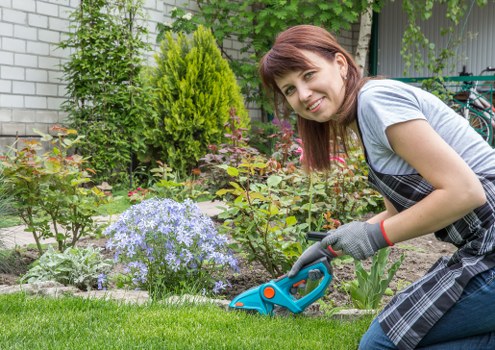
Hedges generally benefit from an approach that respects the season and the condition of the plant rather than treating every visit as identical. Some hedges need a light tidy at regular intervals, while others only require attention after a period of stronger growth. The most useful service is one that keeps the hedge aligned with its role in the garden, whether that is a neat screen, a low boundary or a taller feature that should still feel controlled. Consistency usually matters more than dramatic cutting.
If you are unsure how much trimming is needed, it is often better to describe the hedge as it is now and say what you want it to look like afterwards. That gives a more practical basis for the work than simply asking for a generic cut. Clear goals lead to better results because the hedge can be shaped with the final outline in mind, not just reduced in size. When you are ready, please request a quotation and include a few details about the hedge so the next step is as smooth as possible.
To go further, you can review pricing and quotes or make a direct enquiry through our contact page. If you want the hedge work considered alongside broader garden improvements, the relevant service pages can help you compare the options before you decide how to proceed.